
The Five National Parks of Montenegro
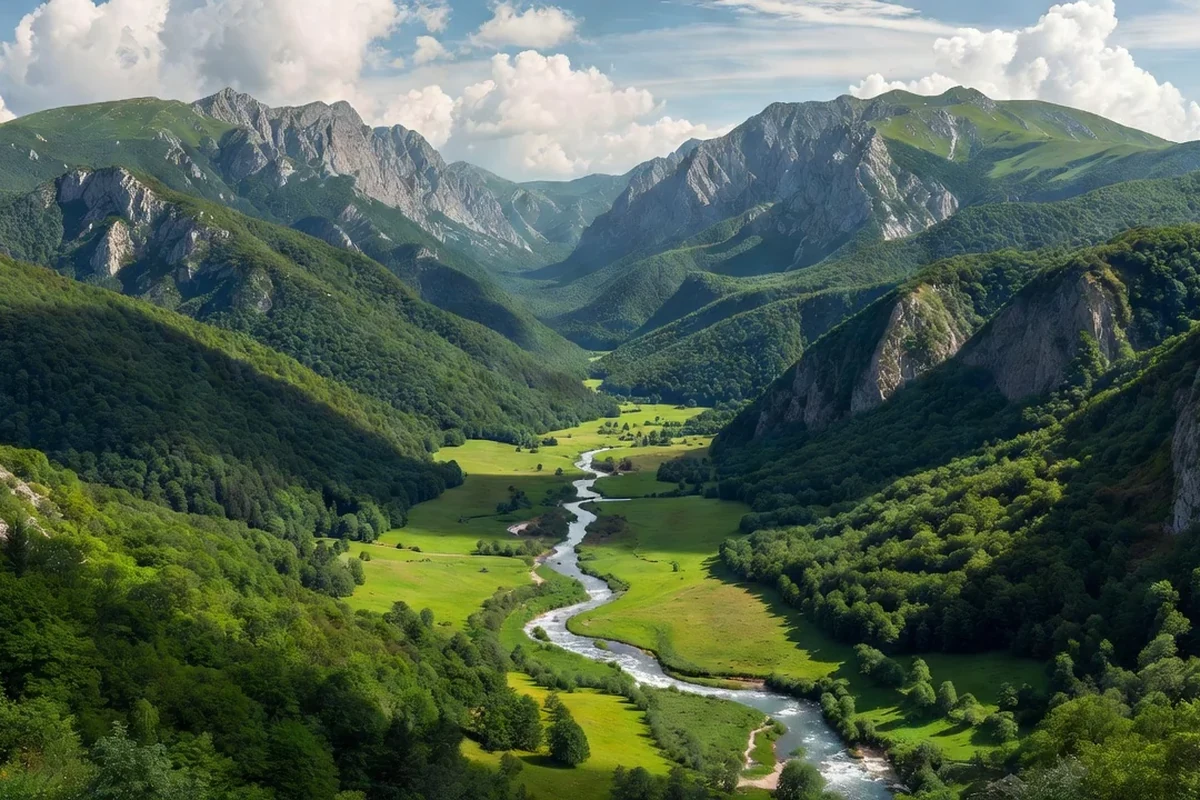
Montenegro is a small country with an unusually high proportion of protected land, and its national parks are the clearest expression of that. There are five of them — Durmitor, Biogradska Gora, Lovćen, Lake Skadar and Prokletije — and together they cover mountains, forests, lakes, wetlands and high limestone ranges. For a traveller they are also the most practical way to see the country's nature, because each park has marked routes, information points and a clear boundary on the map.
The parks are not empty wilderness. People live inside and around them, grazing livestock, fishing, farming and working in tourism. That mixture of protection and daily life is part of what makes them interesting, and it also means that visitors share the space with residents and must respect local rules and customs.
What a national park means here
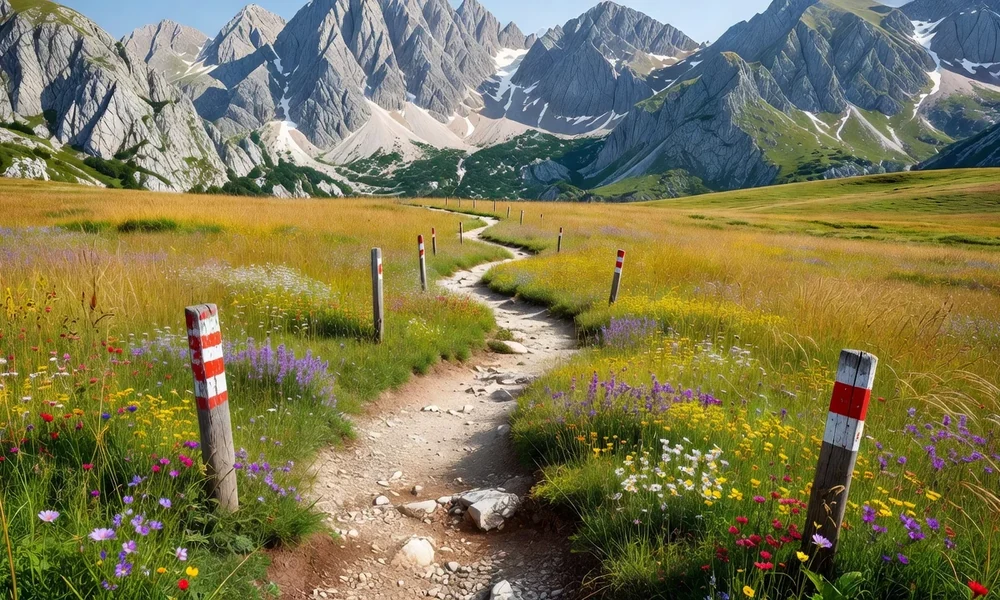
A national park protects a large area of national importance, but it does not usually mean a completely closed reserve. In Montenegro the parks combine conservation with controlled use: walking, cycling, boating, fishing and nature study are common activities, while building and extraction are restricted. Fees and rules vary from park to park and are set by the individual park authorities.
Because each park is managed separately, it is worth checking the current information for the park you plan to visit. Opening hours, entry charges, guided options and seasonal closures all differ, and some areas are off limits at certain times to protect wildlife or because of snow and fire risk.
Durmitor, the high mountain park
Durmitor, in the north-west, is the best known of the parks and a UNESCO World Heritage property. It protects a massif of limestone plateaus, peaks, forests and glacial lakes, with the Tara canyon cutting through part of it. Its altitude gives it a mountain character, with short summers and long winters, and much of the walking is aimed at people with proper boots and a sense of mountain weather.
Biogradska Gora and the primeval forest
Biogradska Gora, in the Bjelasica mountains of central Montenegro, is famous for an area of primeval forest that has developed largely without human interference. A mountain lake sits at its centre, ringed by paths, and the surrounding ridges are gentler than the limestone peaks further west. The park is part of the Europe-wide Primeval Beech Forests World Heritage property.
Lovćen, the mountain above the coast
Lovćen stands directly above the Bay of Kotor and has a symbolic as well as a natural importance, being linked to the name Montenegro itself. Its park protects a high karst plateau with views over the coast and the hinterland, and a stone mausoleum sits at its highest point. Roads climb to the plateau, making the park one of the most accessible of the five.
- Durmitor: high massif, glacial lakes and the Tara canyon.
- Biogradska Gora: primeval forest and a mountain lake.
- Lovćen: coastal mountain with a mausoleum and wide views.
- Lake Skadar: the largest lake in the Balkans, rich in birds.
- Prokletije: a rugged range on the Albanian border.
Lake Skadar, the wetland park
Lake Skadar is the largest lake in the Balkans and is shared between Montenegro and Albania. The Montenegrin side is a national park and an internationally important wetland, known for its birdlife, its fish and its summer expanse of water lilies. Boats, walking routes and small lakeside villages make it a gentler counterpoint to the high mountains.
Prokletije, the accursed mountains
Prokletije, whose name is often translated as the accursed mountains, is the youngest of the parks and lies on the border with Albania. It is a dramatic range of sharp peaks, deep valleys and glacial traces, more demanding than the central hills. Much of it is for serious walkers, and the area rewards those who are prepared for long days and uncertain weather.
The parks compared
| Park | Character | Best for |
|---|---|---|
| Durmitor | High mountain massif | Lakes, plateaus, long walks |
| Biogradska Gora | Forest and lake | Easy paths and nature study |
| Lovćen | Coastal karst plateau | Views, short excursions |
| Lake Skadar | Wetland and open water | Boats, birds, quiet villages |
| Prokletije | Rugged border range | Demanding mountain hiking |
Planning a visit across the parks
The five parks lie in different parts of the country, so seeing them all takes time and travel. A common approach is to combine one mountain park with the coast and one lake, rather than trying to reach everything on a short trip. Roads link the main gateways, but distances are longer than the map suggests because the terrain is mountainous and the routes wind.
Whichever park you choose, the basics are the same: check current information and fees, carry water and weatherproof clothing, wear proper footwear, keep to marked routes, take your litter away and respect those who live and work in the protected area. Done that way, the parks offer some of the best and most rewarding travel in Montenegro.
Read next
Biogradska Gora National Park
A rainforest remnant, a mountain lake and gentle trails in the Bjelasica range.
Lake Skadar National Park
The largest lake in the Balkans, shared with Albania, and a refuge for water birds.
Lovćen National Park
The mountain above Kotor, its stone mausoleum and the views over the bay.