
Lake Skadar National Park
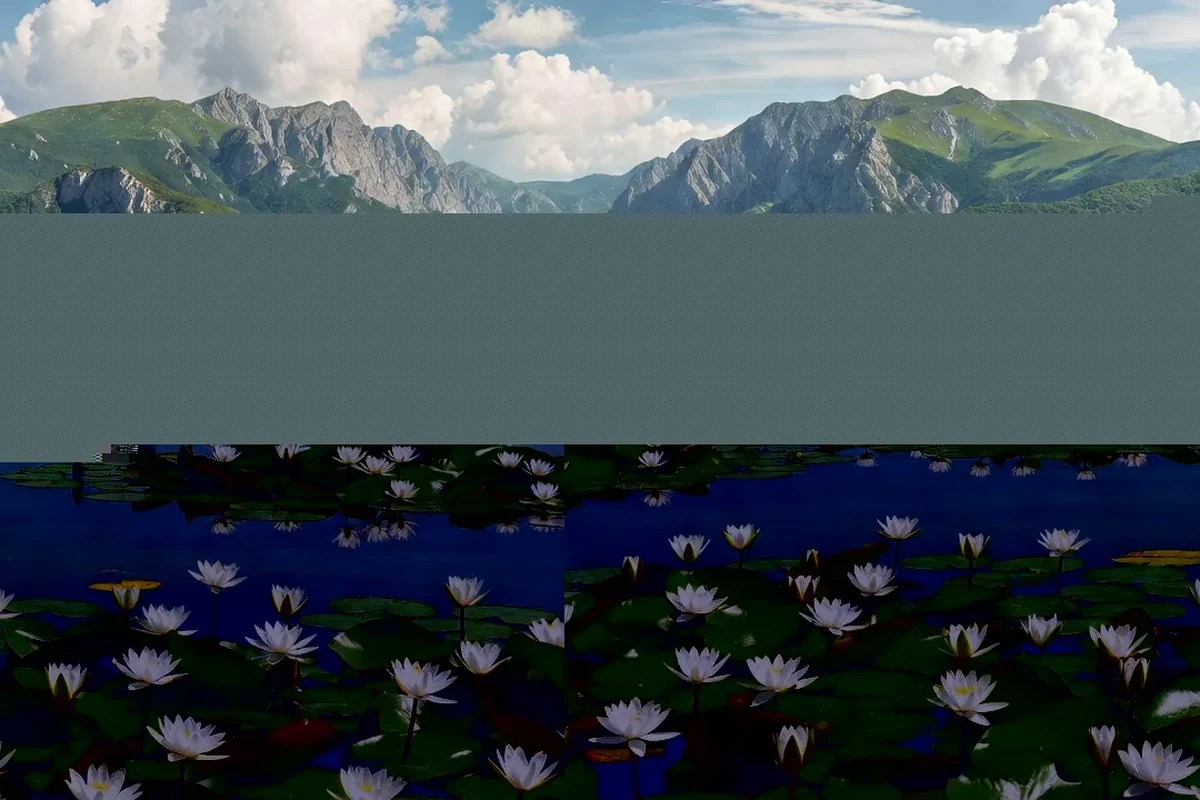
Lake Skadar is the largest lake in the Balkans, and its Montenegrin shore forms one of the country's five national parks. The lake straddles the border with Albania, so no single state controls the whole of it, and the Montenegrin side is also recognised as an internationally important wetland. For visitors it is a place of open water, reed beds, small villages and remarkable birdlife, a quiet contrast to the mountains and the busy coast.
The lake is fed by rivers and underground springs, and its level rises and falls with the seasons. That rhythm shapes everything: in spring it spreads across the floodplain, and in summer the water draws back to leave shallows and channels where plants and animals concentrate.
A lake shared between two countries
Because the lake crosses a frontier, its management is a shared responsibility, and international cooperation is part of its story. The Montenegrin part is protected as a national park, while the whole lake is valued for its ecology. For a traveller, the practical consequence is that boat trips, viewpoints and routes are mostly concentrated on the Montenegrin side, where the park infrastructure operates.
The border also adds cultural interest: the lake lies on a historic line between the Adriatic and the interior, and the surrounding area has been settled and travelled for a very long time.
A wetland of international importance
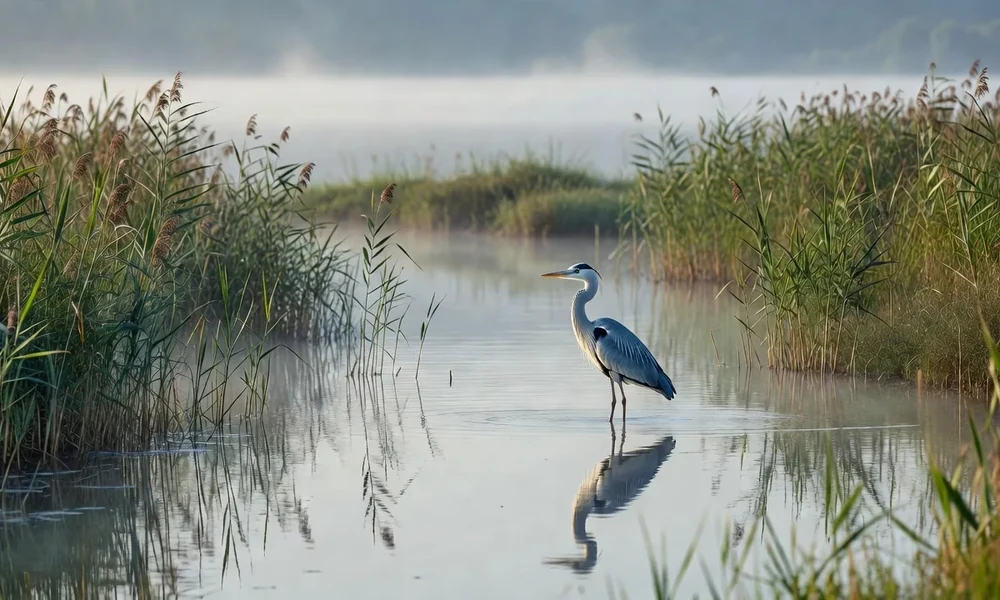
Wetlands are among the most productive habitats on earth, and Lake Skadar is a strong example. Shallow water, reeds, mudflats and seasonally flooded grassland provide food and shelter for a huge number of species. The lake is especially known for its birdlife, including large numbers of water birds, and it is a stopping point for migrating species on their journeys.
- Shallow water and reed beds support dense plant and animal life.
- The lake is internationally recognised for its bird populations.
- Seasonal flooding creates changing habitats through the year.
- Fish are central both to the ecology and to local livelihoods.
Water lilies and summer colours
In summer, parts of the lake are covered with water lilies, turning the surface into a field of green leaves and white flowers. This is one of the most photographed features of the park, and the best way to see it is from a boat, following the channels between the lily beds. The effect is peaceful and unusual, and it draws visitors who would otherwise never think of a wetland as a destination.
The lilies are part of the natural cycle, not a display, and boat operators generally respect the need to keep engines and wakes gentle so the plants and the water are not damaged.
Boats, villages and fishing
The lake has long supported fishing communities, and small villages and waterfront restaurants are scattered along its shore. Boat trips leave from several points, ranging from short outings among the lilies to longer crossings. Traditional wooden boats are a common sight, and some operators use them for tours.
Freshwater fish from the lake feature in local cooking, and eating by the water is part of the experience. As always, visitors should agree prices and conditions in advance and choose operators who follow the park's rules on speed, wildlife and waste.
Walking and viewpoints
Beyond the water, the park offers walking routes and viewpoints on the surrounding hills, including historic sites and the ruins of older settlements. The best views over the lake are from elevated points, where the scale of the water and the pattern of channels become clear.
The climate near the lake is milder than in the mountains, but summers can be hot and exposed, so early starts and sun protection are sensible. Winter brings rain and higher water, closing some routes and changing the landscape completely.
Lake Skadar in brief
| Element | Description | What to know |
|---|---|---|
| Size | Largest lake in the Balkans | Shared with Albania |
| Status | National park on the Montenegrin side | Also an important wetland |
| Wildlife | Rich birdlife and fish | Best seen by boat |
| Summer | Water lilies across the surface | Boat trips in season |
| Access | Villages and viewpoints around the shore | Prices agreed in advance |
Getting there and when to go
The lake is close to the capital and to the coast, so it can be reached as a day trip from either. Several villages around the shore serve as starting points, and the main roads give access to viewpoints and to the places where boats depart. The journey is short by Montenegrin standards, which makes the lake an easy addition to almost any itinerary.
Spring and early summer are especially rewarding for anyone interested in birds, when the wetland is at its liveliest. Late summer is the time for the water lilies and for warm, settled days on the water. Winter brings rain and higher water levels, fewer services and a much quieter atmosphere, which some visitors prefer and others find limiting.
Why the lake matters
Lake Skadar shows a different face of Montenegrin nature: not peaks and canyons but water, reeds and sky, and the dense life that gathers around them. It is a working landscape of fishermen and villagers as well as a protected wetland, and that combination is exactly what makes a visit so rewarding. Seen from a slow boat among the lilies, it is unforgettable.
Read next
The Five National Parks of Montenegro
A short tour of the protected areas that together cover the country’s most valued landscapes.
Biogradska Gora National Park
A rainforest remnant, a mountain lake and gentle trails in the Bjelasica range.
Lovćen National Park
The mountain above Kotor, its stone mausoleum and the views over the bay.