
Biogradska Gora National Park
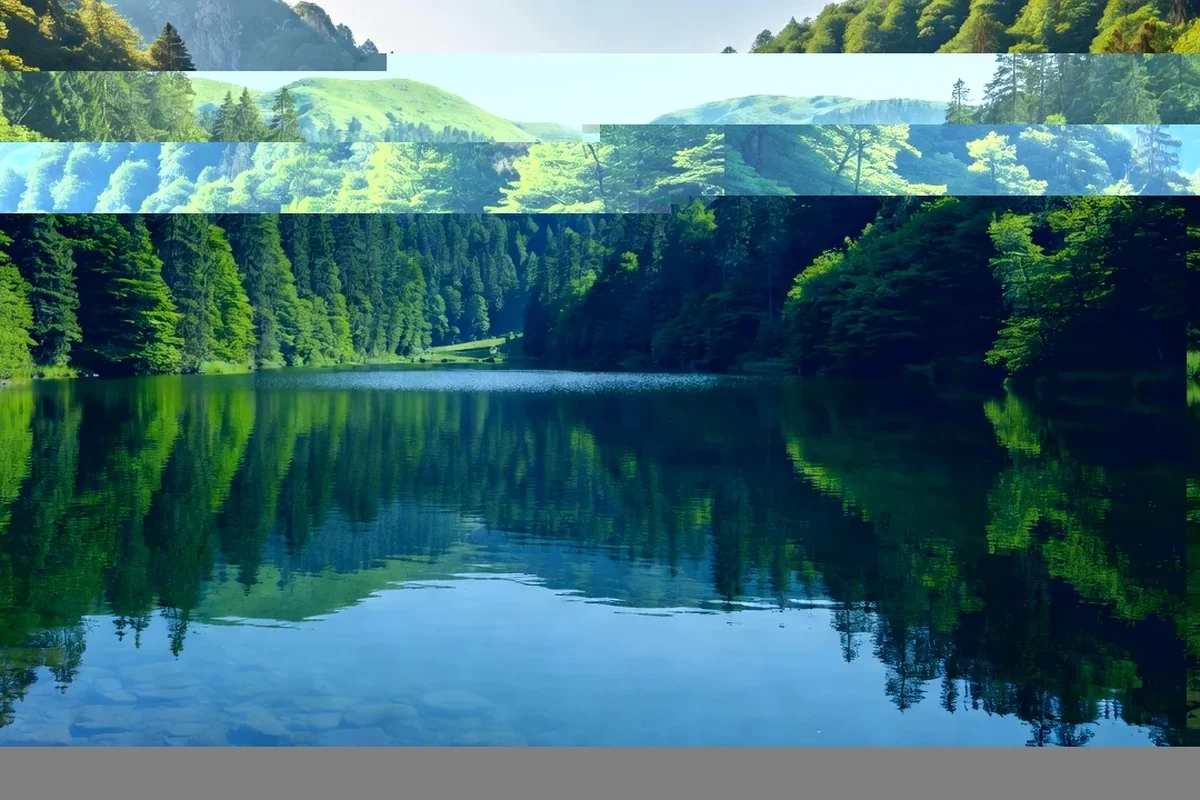
Biogradska Gora is one of Montenegro's five national parks and one of its oldest, declared in the 1950s to protect an exceptional area of forest in the Bjelasica mountains. Its best-known feature is a remnant of primeval woodland, a forest that has grown largely without human management, and this is what earned it a place in the Europe-wide Primeval Beech Forests World Heritage property. For most visitors, however, the park is simply a green and welcoming place of lake, trees and rounded ridges.
The park sits in the centre of the country, between the coastal mountains and the higher ranges of the north. That position gives it a milder, greener character than the limestone giants, and it makes the walking accessible without specialised equipment.

The lake at the heart of the park
Biogradsko Lake is the natural centre of any visit and is reached easily from the park entrance. A path circles the water, and the walk is short enough to suit families and casual walkers while still offering the full atmosphere of the forest and the lake together. The water is clear and cold, fed by mountain streams, and the surrounding trees come right down to the shore.
Boats and simple facilities operate in season, and benches and viewpoints are placed along the circuit. Because the lake is the most visited part of the park, it is also the most regulated: visitors are asked to stay on the paths, keep the shoreline clean and avoid disturbing the water and the wildlife.
A forest that runs itself
The primeval forest is the scientific heart of Biogradska Gora. Unlike ordinary woodland, it is not managed for timber or cleared on a cycle. Trees grow, age, die and fall naturally, and their remains are left in place to decay, feeding the soil and supporting insects, fungi, birds and small mammals. This produces a forest with trees of many ages and a great deal of dead wood, both of which are rare in managed European woods.
- The forest is left to develop without intervention.
- Fallen and dead trees stay in place as part of the ecosystem.
- Many tree ages stand together, giving a varied structure.
- The area is part of a wider European beech forest property.
The Bjelasica mountains
Around the forest rise the Bjelasica mountains, whose ridges are rounded and grassy rather than sharp and rocky. In summer the higher ground becomes pasture where livestock graze, continuing a tradition that long predates the park. Streams and springs are common, and the green slopes contrast with the darker forest below.
This gentler terrain makes Bjelasica attractive to walkers who want moderate days rather than technical climbing. Marked trails lead away from the lake toward viewpoints and higher ground, and the sense of openness at the top is quite different from the enclosed feeling inside the wood.
Walking and what to expect
The park offers short circuits around the lake and longer routes into the mountains. Paths are marked, but the longer ones demand fitness, proper footwear and an early start, because mountain weather can change quickly and afternoon storms are common in summer. Snow lies on the higher ground well into spring, and some routes are impassable in winter.
Facilities are concentrated near the entrance and the lake. Away from there, services are limited, so supplies, water and cash should be arranged in advance. Mobile coverage is patchy in the more remote parts of the park.
Protection and responsibility
Because the forest is unusual, it is also fragile. Soil and fallen timber are easily damaged by feet, and a single new path can leave a lasting scar in a wood that took centuries to form. Park rules therefore ask visitors to remain on marked trails, take nothing away and leave nothing behind.
These rules are not obstacles to enjoyment but the reason the place still exists in this condition. A primeval forest is preserved precisely by being left alone, and the lightest possible footprint from visitors is the best way to keep it that way.
Biogradska Gora at a glance
| Element | Description | What to know |
|---|---|---|
| Location | Bjelasica mountains, central Montenegro | Declared a park in the 1950s |
| Highlight | Biogradsko Lake | A path circles the water |
| Forest | Primeval beech woodland | Part of a World Heritage property |
| Terrain | Rounded green ridges | Moderate walking |
| Rules | Stay on marked trails | Protect soil and fallen wood |
Seasons in the park
The park changes character with the seasons. Late spring and early summer bring high water, fresh green growth and a full chorus of birds, while late summer is warm and dry, good for long days on the ridges. Autumn colours the beeches and turns the forest golden, and winter quiets everything, closing the higher routes under snow and leaving the lake cold and still.
Because the park is in the mountains, visitors should plan around the weather rather than against it. Checking the forecast, starting early and being ready to turn back are more useful here than any fixed plan, and the rewards are the clear mornings and the empty trails that come with slightly less popular dates.
Why it is worth the trip
Biogradska Gora combines three things that rarely sit so close together: a clear mountain lake, a genuine primeval forest and open summer pasture on gentle ridges. For a day visitor it is a pleasant and easy outing; for anyone interested in nature it is a rare reference point, a European forest allowed to be itself. Either way, it rewards a slow and careful approach.
Read next
The Five National Parks of Montenegro
A short tour of the protected areas that together cover the country’s most valued landscapes.
Lake Skadar National Park
The largest lake in the Balkans, shared with Albania, and a refuge for water birds.
Lovćen National Park
The mountain above Kotor, its stone mausoleum and the views over the bay.