
The Best Time to Visit
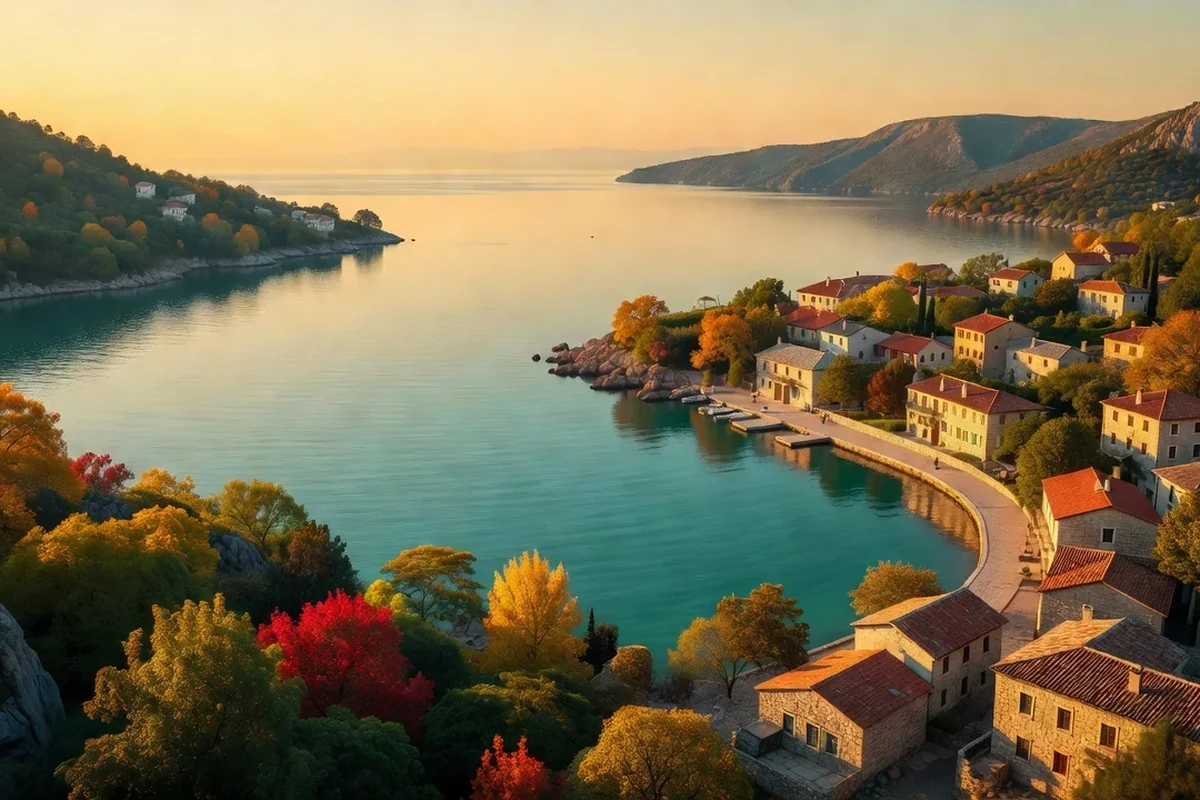
Montenegro has two quite different climates packed into a small area, and that is the key to choosing when to visit. The coast enjoys a Mediterranean climate with hot, dry summers and mild, wet winters, while the mountains of the interior have a continental, alpine climate with cold winters and heavy snow. Between them, the pattern of the seasons shapes what is possible and pleasant at any given time of year.
There is no single best month for the whole country. The ideal time depends on whether the plan is a beach holiday, a mountain walking trip or a tour that combines both, and on how much one minds crowds and heat.
Spring on the coast
Spring arrives early on the Adriatic. From around the middle of spring the coastal towns begin to wake up, the weather becomes mild and pleasant, and the sea is still cool but the days are increasingly sunny. This is a good time for sightseeing, walking and exploring historic towns without the heat and crowds of high summer.
Rain is still possible, especially earlier in the season, but the coast is generally at its most comfortable for people who prefer to be active outdoors rather than lying on a beach.
Summer on the coast
High summer is hot and dry, and this is when the resorts are at their busiest. The sea is at its warmest, the days are long, and the atmosphere along the shore is lively and commercial. It is the classic beach season, but it also brings crowds, higher prices and strong midday sun.
- Sea temperatures are highest in late summer.
- Resorts are busiest in July and August.
- Midday heat is intense, so mornings and evenings are best for activity.
- Prices peak along with demand.
Autumn on the coast
Autumn is often considered the finest season on the coast. The sea remains warm well into the season, the summer crowds have gone, and the weather is usually settled and mild. It suits travellers who want warm days, quiet towns and comfortable conditions for walking and sightseeing.
Later in autumn the rain returns, but the early part of the season offers some of the best conditions of the year, and many people who know the coast well choose to visit then.
Winter on the coast
Coastal winters are mild but wet. The towns are quiet, some businesses close, and the weather can be grey and rainy for days at a time. On the other hand, the historic towns are peaceful, prices are low, and on fine days the coast is bright and pleasant for walking.
Winter is not the season for swimming or for a beach holiday, but it can be rewarding for anyone interested in the towns and the landscape without the crowds. Farther inland, the contrast is dramatic, because the mountains are under snow.
The mountains through the year
In the interior and the mountains the calendar is different. Winters are long, cold and snowy, and the high roads and trails are closed or difficult. Spring arrives later, and snow can lie on the high ground well into the season. Summer is short but is the best time for mountain walking, with green pastures and clear routes. Autumn follows quickly, bringing colour and cooler air before the snow returns.
For anyone planning to walk in Durmitor, Bjelasica or Prokletije, the mountain summer is the window to aim for, while the coast is at its best outside the peak of the summer heat. That difference is what makes a combined trip interesting, but it also means that clothing and expectations have to change with the altitude.
Seasons compared
| Season | Coast | Mountains |
|---|---|---|
| Spring | Mild, good for sightseeing | Late, snow on high ground |
| Summer | Hot, dry, busy | The best walking season |
| Autumn | Warm sea, quieter | Colour, then early snow |
| Winter | Mild but wet, quiet | Cold, snowy, closed routes |
What to pack for each season
Because the seasons differ so much between the coast and the mountains, packing well means packing for two climates. On the coast, light clothing, a hat and sun protection cover most of the summer, with a rain jacket for the wetter months. In the mountains, even in midsummer, layers, waterproofs, sturdy footwear and a warm top are essential, because a fine morning can turn cold and wet by afternoon.
Travellers who plan to combine both parts of the country should be ready for a real change of conditions within a single day, since the mountains can be reached from the coast in a few hours. A little extra preparation in the bag makes the difference between a comfortable trip and an uncomfortable one, and it allows a plan to change with the weather rather than being defeated by it.
Choosing a time
As a rule, the shoulder seasons offer the best balance: pleasant weather, fewer crowds and lower prices than the height of summer. For the coast, early summer and early autumn are especially good. For the mountains, midsummer is the safest and most rewarding window.
Whichever season is chosen, visitors should check current conditions, since weather, services and opening times vary from year to year. Planning around the climate rather than against it is the surest way to enjoy Montenegro, whether the aim is the beach, the peaks or both.
Read next
Getting to Montenegro
Airports, overland routes and sea connections, and how they shape an itinerary.
Getting Around Montenegro
Buses, ferries, trains and rental cars, and the roads that link coast and mountains.
A Coastal Itinerary
A route down the Adriatic shore, from the Bay of Kotor to the southern beaches.