
Piva Lake and Canyon
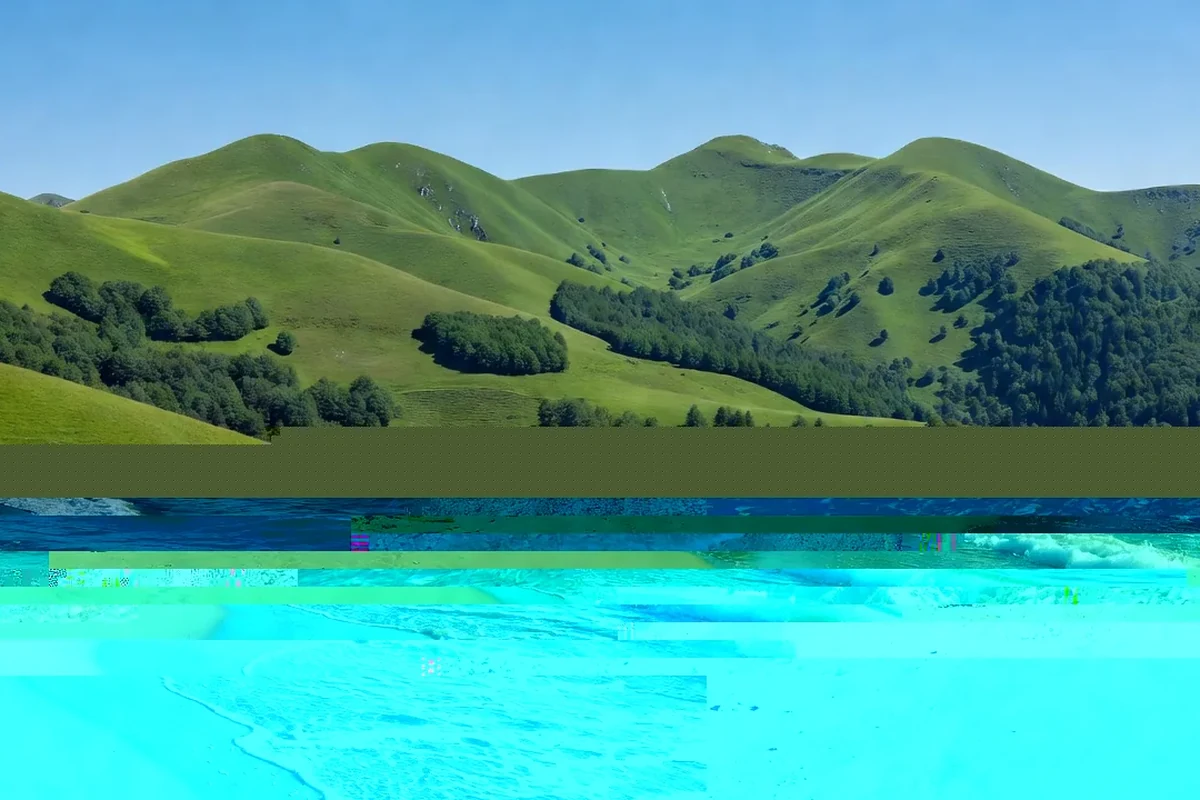
Piva is a river of northern Montenegro that has been turned into a long, narrow lake by a dam, and the lake it created lies in a deep limestone canyon with striking turquoise water. The combination of the canyon, the reservoir and the surrounding mountains makes this one of the most dramatic inland landscapes in the country. It is also a place with an unusual recent history, because the creation of the lake meant that a historic monastery had to be moved.
For travellers on the road between the coast and the mountains of the north, Piva is often a highlight on the way. The road follows the shore and the canyon, and the views of the water against the grey and green rock are some of the most memorable in Montenegro.
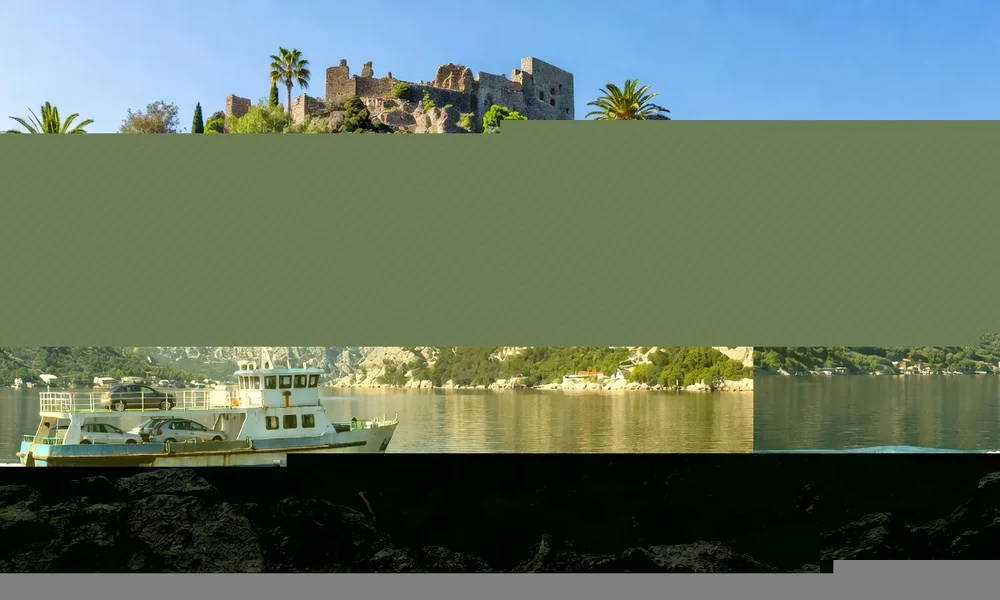
A river and its canyon
The Piva river flows through a limestone gorge before joining the Tara, and the canyon it cut is deep and enclosed. Limestone scenery of this kind is characterised by steep walls, bare rock and water that is often clear and green, and the Piva canyon shows all of these features. The river has long been a route through the mountains, and the road that follows it is a natural corridor across the high country.
The canyon is part of the same broad limestone landscape as Durmitor and the Tara, and taken together these gorges form a network of deep valleys that make travel in this region a matter of following rivers rather than crossing ridges.
The lake created by the dam
The lake is artificial, formed when a dam was built across the Piva to produce electricity. Behind the dam the water rose to fill the lower part of the canyon, creating a long, deep reservoir that follows the winding shape of the valley. Its colour is often a vivid blue-green, standing out sharply against the limestone walls above it.
- The lake is a reservoir, not a natural lake.
- It was created by damming the Piva river.
- The water follows the winding course of the canyon.
- Its colour contrasts strongly with the surrounding rock.
The monastery that was moved
When the reservoir was created, a historic monastery in the valley would have been submerged, so it was taken apart, moved and rebuilt on higher ground. This was a considerable engineering and conservation effort, and it preserved a building of religious and cultural importance that would otherwise have been lost. The story is a striking example of the trade-offs involved in large infrastructure projects.
For visitors, the relocated monastery is one of the cultural highlights of the area. Its frescoes and its architecture are of real interest, and the fact that it stands where it does, above a lake that covers its former site, gives it an unusual and slightly poignant context.
Mountains around the water
The lake is enclosed by mountains, and the terrain around it is high and rugged. Some of the country's wildest upland lies here, with canyons, plateaus and steep slopes, and the environment is more alpine than Mediterranean. Vegetation is sparse in places, and the climate is cooler than on the coast.
This makes the Piva area attractive to walkers and to anyone who wants to see the interior of Montenegro away from the better-known parks. The roads and the lake give access to the heart of the mountains, and there are opportunities for hiking, boating and simply enjoying the views.
Piva in brief
| Element | Description | What to know |
|---|---|---|
| River | The Piva, in the north | Joins the Tara |
| Canyon | Deep limestone gorge | A mountain route |
| Lake | Reservoir behind a dam | Turquoise water |
| Monastery | Relocated to higher ground | Frescoes of note |
| Setting | High mountains and plateaus | Cooler than the coast |
Practical notes for a visit
The lake is reached by road from the north and forms part of a natural route between the coast and the mountain towns. Driving the shore road is one of the best ways to see it, and viewpoints along the way let travellers stop and take in the water and the canyon. Distances are long and services are limited, so fuel, food and time should be planned in advance.
Boating is possible in season, and the calm water of the reservoir is easier to navigate than a fast river would be. Visitors should respect the monastery, any private land and the rules that apply to a working reservoir, and should be prepared for changeable mountain weather.
A working landscape
The Piva is not only scenery. The dam that created the lake produces electricity, and the reservoir is part of the region's infrastructure as well as one of its most photographed features. The road along the shore, the dam itself and the relocated monastery together show a landscape in which engineering, conservation and daily life are closely intertwined.
For a visitor, that mixture is part of the interest. The lake may be artificial, but its colour, its setting and its effect on the canyon are genuine, and the story of how it came to be is a reminder that even the most dramatic landscapes are shaped by decisions as well as by nature. Approached with that in mind, the Piva becomes a place of both beauty and consequence.
Why Piva is worth the detour
Piva brings together a deep canyon, an artificial lake of remarkable colour and a monastery saved from the water, all in a landscape of high mountains. It is a place where nature and human engineering are visibly in conversation, and the drive along its shore is one of the finest in Montenegro. For travellers heading north, it is more than a route; it is a destination in its own right.
Read next
The Tara River and its Canyon
One of the deepest river canyons in Europe and the clear water that runs through it.
Black Lake on Durmitor
The best-known glacial lake of Durmitor and a starting point for high trails.
Morača Canyon and Monastery
The main route north through a deep gorge, past a historic riverside monastery.