
Morača Canyon and Monastery
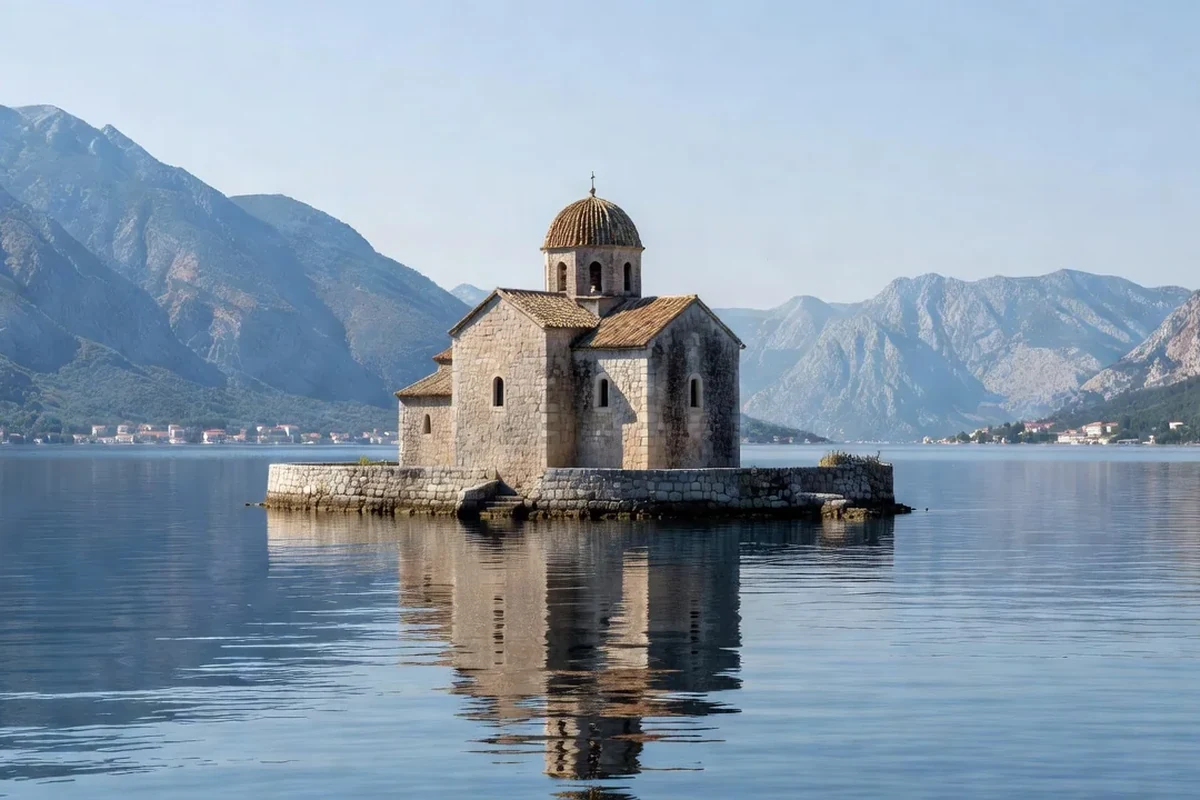
The Morača is the river that drains much of central Montenegro, and its canyon is the main corridor between the capital and the mountains of the north. The road north follows the gorge for a long distance, winding between steep slopes with the water always close by. For that reason the Morača is familiar to almost everyone who travels through the country's interior, even if they do not know its name.
Besides its role as a route, the canyon is a landscape in its own right, and it holds one of the most important historic monuments of the region, a medieval monastery that has stood beside the river for centuries. For a traveller heading north, the canyon and the monastery make a natural and rewarding stop.
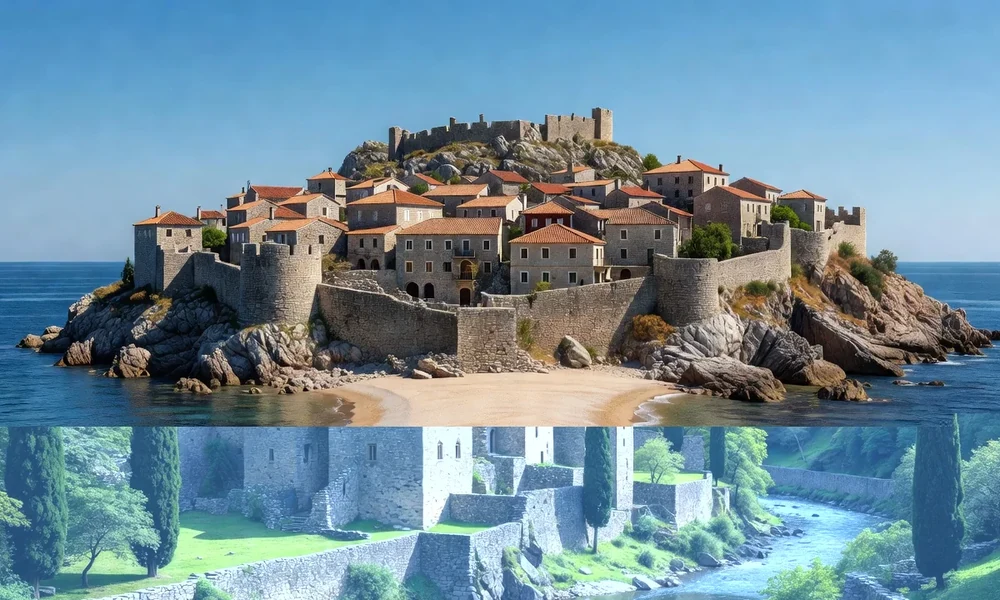
A route through the mountains
The Morača canyon is more than a scenic feature, because the river has always been a way through difficult terrain. Where the mountains close in, the river valley offers the only practical route, and roads naturally follow it. This has made the canyon a link between the coast and the interior and between the south of the country and the mountain towns.
Because the road hugs the river, the journey becomes part of the experience. The gorge walls rise on both sides, the water runs beside the carriageway, and the light changes as the valley bends. Driving it is quite different from crossing a mountain pass, because the route stays low and follows the water.
The canyon itself
The gorge is cut into rock that is in places bare and in places wooded, so the walls are a mix of grey stone and green vegetation. The river below is fast and clear for much of its course, and along the way there are smaller gorges, side valleys and tributaries that feed into it.
- The canyon is the main route north through the interior.
- The road follows the river for a long distance.
- Walls are a mix of bare rock and woodland.
- The river is fed by many side streams.
The monastery by the river
Beside the Morača stands a monastery founded in the thirteenth century, one of the most significant religious and historic sites in Montenegro. It has survived through many turbulent periods and remains an active monastery as well as a place of interest to visitors. Its church and its setting by the river make it a natural focus for the canyon.
Visiting the monastery is a chance to see living religious heritage rather than a ruin. As with any active monastery, visitors should dress respectfully, keep quiet and follow the guidance of the community that lives there.
Landscape and wildlife
Because the canyon is a corridor of water and vegetation running through drier and higher country, it supports a variety of life. The river, the wooded slopes and the rocky heights each hold different species, and the canyon functions as both a route and a habitat. For anyone interested in nature, the gorge is more than a passage to somewhere else.
The climate along the river is milder than on the surrounding plateaus, which is one reason the valley is more heavily wooded. This contrast between the sheltered gorge and the open high ground above is a recurring feature of the Montenegrin interior.
The Morača in brief
| Element | Description | What to know |
|---|---|---|
| River | The Morača, central Montenegro | A main interior waterway |
| Canyon | A deep route through the mountains | The road follows the river |
| Monastery | Founded in the thirteenth century | Still active today |
| Landscape | Rock, woodland and fast water | Milder than the plateaus |
| Role | Link between south and north | A natural stop on the way |
Practical notes for a visit
The canyon is best seen along the road that follows it, whether by car, bus or bicycle, and the monastery is the obvious place to stop. Visitors should allow time for the drive, because the winding route takes longer than the distance suggests, and should be prepared for limited services along the way.
At the monastery, respectful dress and quiet behaviour are expected, and photography may be restricted in some areas. Along the road, drivers should take care on the bends and use the pull-offs rather than stopping in the carriageway, and walkers should keep off the road wherever a path exists.
The monastery and the community
The monastery beside the Morača is not a ruin but a living place, home to a community and a centre of religious life as well as a historic monument. Its church, its walls and its setting by the river have made it a landmark for centuries, and it remains a focus for local people as well as for travellers passing along the canyon road.
That continuity is what makes it different from an empty monument. The monastery has witnessed the same route being used by generations of travellers, and its presence beside the road gives the canyon a human centre. Visiting it is a chance to connect the landscape with the people who have lived in and moved through it over the centuries.
Why the canyon matters
The Morača canyon is where the geography of Montenegro becomes clear: a single river cutting a route through hard mountains, and a road and a monastery growing up beside it. It is not the deepest or the most famous gorge in the country, but it is one of the most important, because it connects the different parts of Montenegro to one another. Travellers who slow down and stop here see a side of the country that is easy to miss in a hurry.
Read next
The Tara River and its Canyon
One of the deepest river canyons in Europe and the clear water that runs through it.
Black Lake on Durmitor
The best-known glacial lake of Durmitor and a starting point for high trails.
Piva Lake and Canyon
A turquoise reservoir in a limestone canyon, crossed by a landmark arch bridge.